Category Archives: Nutrition

Thirsty Thursday: Spiked Peppermint Hot Cocoa

I don’t drink very much. In fact, I really dislike being drunk. So when I do drink, it’s because I love the taste and the calmness it can sometimes give me. Anyway! I get lots of questions from patients (whispered of course) along the lines of: please please please tell me I can still have a glass of [insert alcohol here]? Good news! While the company I work for may not condone it, I whole heartedly support a solid glass of something alcoholic every once in a while.

Wine is great, beer is great, and liquor is great BUT (you knew it was coming) there are a few rules to remember when drinking:

1. Alcohol is very high in calories and while I don’t think ANYONE should be counting their calories, they should be monitoring the amount of bad calories they take in. And yes, alcohol counts as bad calories. So if you’re trying to lose weight, limit the amount you consume.

2. Most mixed drinks are loaded with sugar. And I mean loaded. If you’re going to have hard alcohol, mix it with soda water, tonic, or just drink it straight. This keeps the calories and the sugar content down. My drink of choice is tequila on the rocks with lime. Delicious, effective, and relatively healthy.

3. Normal beer contains lots of gluten. Some people are unknowingly gluten-intolerant. If you’re getting outrageous hangovers, a bloated belly, stomach pains, or headaches while drinking it may be time to consider the gluten-free option of drinks. Redbridge is my favorite.

4. Non-organic wines have added sulfites and lot’s of people react to it without knowing they’re having a reaction. If you experience any of the symptoms from #3 while drinking wine. Try organic wine and see if they go away. Organic wine has no added sulfites. Any sulfites in organic wine are naturally produced through the fermentation process. If you find that you have less of a reaction with organic wine, try sulfite-free wine next and see if that feels even better.

Side Note: If you feel at risk for addiction, there are special rules that apply. You should limit or completely stop your intake of alcohol until you speak to a psychology professional.

With that said, I recently made one of my favorites. A delicious, holiday drink:

Spiked Peppermint Hot Cocoa (1 serving)

Ingredients

2 cups coconut/almond/raw milk

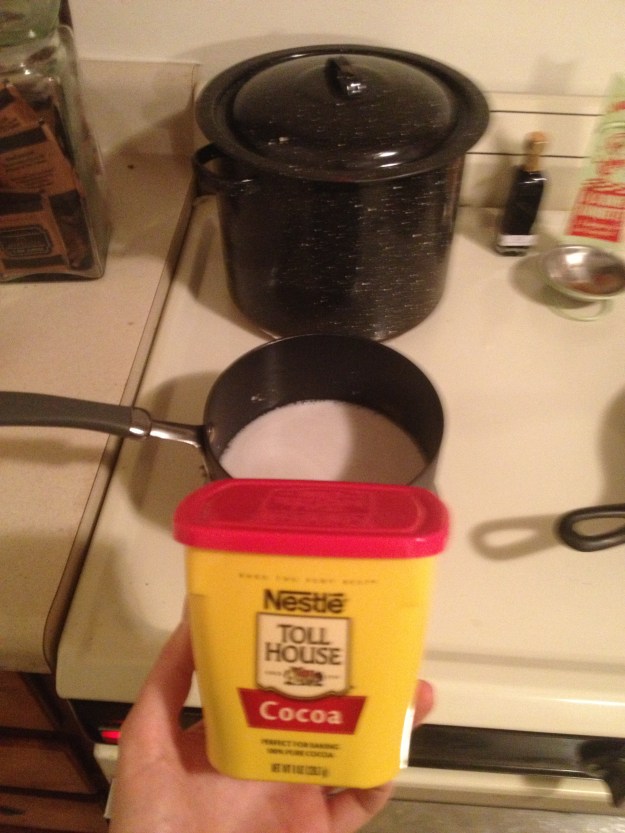
2 tablespoons unsweetened cocoa

1 oz (half a nip) of peppermint liquor

Instructions (not sure why the photos are so crappy, sorry!)

photo 1

photo 2

1. Heat the milk in a pot on medium heat. Stir in cocoa while heating.

photo 3

2. Remove from heat, stir in liquor.

Enjoy! 🙂

What’s your favorite holiday drink? Let me know and I’ll try to make a healthy version.

Tasty Tuesday: Guacamole!

Who doesn’t love guacamole? And all you people out there that are shaking their head, “no I hate guacamole, that delicious healthy fat combined with all those savory veggies and awesome spices, I hate it.” Obviously something’s wrong with you. The great thing about making your own dip is that you can take out any flavors you don’t like!

With this batch, I decided to try to add some protein. I put in some black beans and they are so tasty. Definitely be doing that again.

Guac is great to bring to parties with some crackers/chips or to put on top of salads. And it makes taco night SO much better. Plus, it’s so easy! This took me about 20 minutes to make and it will (hopefully with some restraint from Mike) last at least 3 or 4 days.

Easy Black Bean Guacamole

Ingredients

3 ripe avocados

1 small onion, diced

4 cloves garlic, pressed

6 oz salsa or 1 medium tomato, diced

juice from 1/2 lime, 1/2 lemon, OR 1 orange (I didn’t have anything else and it actually worked really well)

1 tsp cumin, to taste

2 tsp sea salt, to taste

1 tsp ground pepper, to taste

dash of chili powder

6 oz black beans

Instructions

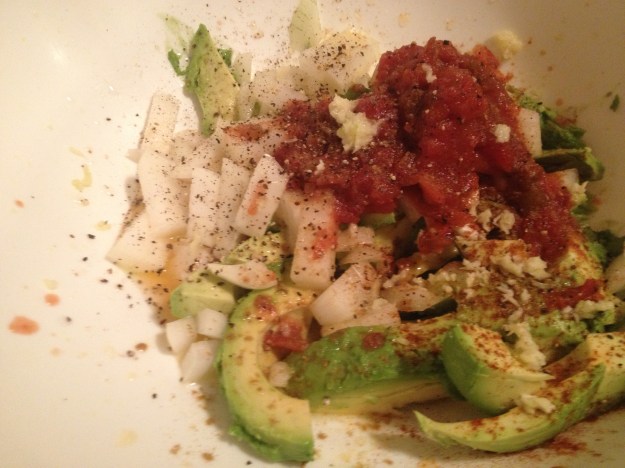
photo 1

1. Our avocados were unripe yesterday so I took them out of the fridge and wrapped them in a brown paper bag. For some reason they ripen faster in paper bags. This morning they were perfect.

photo 2

2. Cut avocados in half, take out the pit, and scoop into a large bowl. Add all other ingredients besides black beans. Mash it all up with a fork or masher.

photo 3

3. Stir in beans or other add-ins. Taste test it! Mess with the spices however you see fit. It looks kinda gross but it is OH SO GOOD!

What is your favorite way to eat guacamole?

Hope you’re all having happy days 🙂

“Use This” Monday: Raw Milk

So this post may blow your mind a bit. Everyone knows the ads: “Got Milk?” According to the California Milk Processor Board, “milk has protein to build muscle and a unique mix of nutrient to help you refuel.” This is completely true, for FULL-FAT, UNPASTEURIZED, RAW dairy. Let’s get down and dirty with the facts here.

wolverine-got-milk

The Problem: milk in process

First the cows, whose natural diet is grass, are fed grains. They are packed very closely together and fed a diet that their bodies don’t know how to process. They contract diseases and pass them between each other like hor d’oeuvres at a cocktail party. To keep them from getting fatally sick, their farmers pump them full of antibiotics and hormones and then milk them.

The milk is then separated. This process removes the dirt and debris. For skim milk, it also separates the milk fat from the milk. For full fat milk, this part of the process divides and separates the fat globules. Not even the fat is full in full fat milk!

Then the milk is “fortified” with Vitamin A and D. I’ve always had a bad feeling about any of my food being fortified. Shouldn’t it already have all the nutrients it’s supposed to without us messing with it?

On to pasteurization. Whole and skim milk is heated to 161°F (72°C) for 15 seconds. This kills all the bacteria that may be leftover from our diseased cows. It also breaks down the lactase and makes the good parts of the milk unrecognizable by our bodies. There are almost NO NUTRIENTS in pasteurized milk.

The milk is then homogenized. This breaks down the fat particles (again) and distributes them more equally throughout the milk. This part of the process prevents the milk from separating and floating to the surface as cream after it is packaged. Why is the cream bad? Do we really need to break down the milk particles even more?

WTF mate!! That’s what you should all be saying right now. How did our milk become so molecularly altered? The biggest reasons for this extensive process is that people tend to get sick from diseased cows. We need to nuke the crap out of that milk to get rid of all those germs. Well here’s an idea, how about we just focus on having healthy cows! Organic, raw, unpasteurizing farmers avoid disease by feeding and keeping their cows the natural way: in fields, eating grass.

Unfortunately, it costs a small fortune to fund and distribute from farms like that, meaning raw milk can be pretty expensive.

A note on skim milk: most people have been trained to believe that fat is bad. Well some fat is bad: chemically processed and altered fat like canola oil, Crisco, and other oils heated until they’re rancid. But some fat is good: natural, unrefined fat like coconut oil, raw dairy, olive oil, organic eggs (even the yolk!), and many others. So please stop trying to just remove fat from your diet, instead just make sure that the fat you do eat is in its raw, unrefined, unheated form.

The Solution

1. Find a farmer in your area that you can trust. My bosses get theirs delivered to the office! They also buy their beef in bulk from the same farmer. This website gives a sweet list of raw farmers in every area of the US.
Lets-Do-Organic-Coconut-Flakes-043182005227

Thai-Kitchen-Organic-Coconut-Milk-737628079506

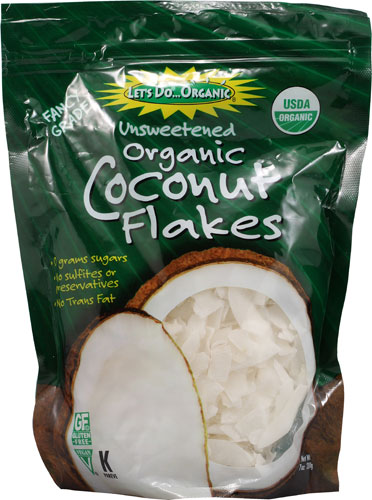
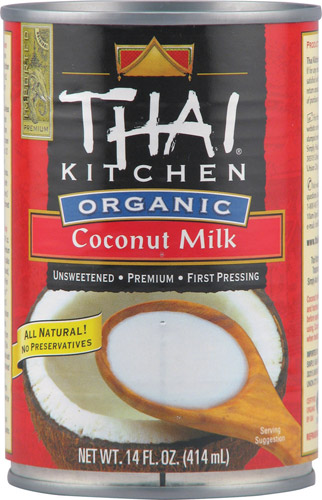
OR use other kinds of milk such as coconut, almond, oat, hemp, etc. Unless it’s specifically labeled, the only way to really ensure that even this milk is raw is to make your own. Coconut milk is pretty easy to make from coconut flakes and water (see this recipe). But for those of us without a Vitamix (I want one so badly!) you can make raw coconut milk from canned Thai Kitchen brand (see this recipe).

Organic-Whole-Milk-316x500

OR find a natural food store that sells raw, unpasteurized milk. There may be more than you think. Supernatural brand dairy products are organic, from grass-fed cows, un-homogenized, and heated to the lowest temperature allowed by the FDA. This is called VAT pasteurized and is definitely the lesser of the evils. Your health food store may carry a different brand. All you have to do is ask!

Why? Personal Motivation.

Conventional milk is so much cheaper and easier to find than raw milk. It tastes good too! Why would you spend all this time and money searching out the raw milk? Well I don’t know about you, but I eat food not only because it tastes good but because it give my body the nutrients I need to stay healthy. If I can drink a type of milk that helps me get my vitamins and minerals, why wouldn’t I take that trade? It is the same with all healthy eating.

Also, I thought I was lactose intolerant for about 2 years. Then I tried raw, full fat milk and I had no reaction! Pasteurization removes lactase, the natural enzyme that helps your body break down the lactose in dairy. Those who are lactose-intolerant can drink raw dairy!


There will always be a cheaper, less healthy alternative. You need to determine why you eat the way you do and figure out if raw milk is worth it for you. Honestly, while writing this post, and finding that not even the coconut milk I was drinking is  imperfect, I felt myself breaking down. Why do I do this?? Nothing I every buy will be perfect. I’ll have to make everything from scratch. NOOOOO. I don’t have the time.

So for me, I will be choosing the lesser of the evils. My unsweetened, organic coconut milk will do just fine for now. There is no lactose, no additives, and no underlying chemicals like in normal milk. This milk is much denser in essentials nutrients and fat than anything else I can afford. And as soon as I feel prepared and driven enough, I will start to make my own coconut milk.

Also, normal, organic milk just doesn’t really appeal to me. I haven’t had it in years and still don’t love the taste or the idea. I have this view that humans aren’t really supposed to drink milk beyond their babyhood. But that’s a whole other topic and not something I’m prepared to argue right now.

So I have even turned the tables on myself with this article. Becoming healthy is a never-ending battle, but it’s worth it. As we become more informed, our industry will have to start catering to our needs. We, as consumers, have a lot of power.

If you are interested in the full scientific write-up, check out this Mercola Article. And another great article from Real Food University.

Any questions, suggestions, or points I’ve missed? I’m still learning too!

Hope you’re all having wonderful Mondays! 🙂


Just-Try-It Thursday: Frittata

This recipe is really flippin’ easy. And cheap! (I got it from an awesome blog I read regularly: Once A Month) I cooked it immediately after my workout and was eating within 20 minutes. It is a pretty basic dish though so I also had a couple of pieces of toast. One with almond butter, one with honey. It would be delicious with roasted potatoes though.

Veggie Frittata (serves 4)

Ingredients

8 eggs – keep the yolks! They’re a healthy fat.

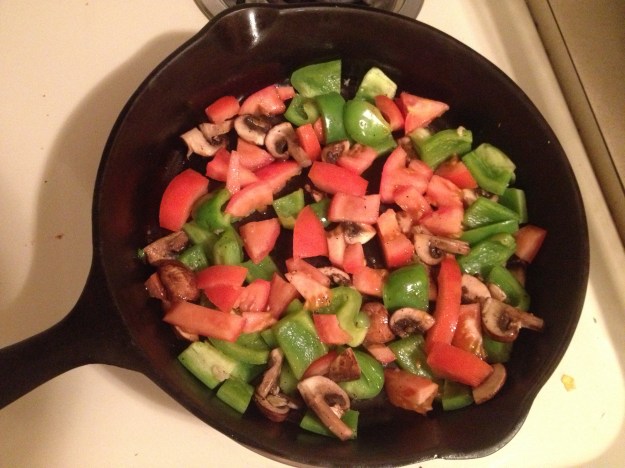
Whatever veggies you have – I used green peppers, mushrooms, garlic, tomatoes, and a bit of spinach. Onions would be really good too.

1/2 cup almond, coconut, or full fat milk

salt and peppa

1. Chop up all the veggie and sauté the hard veggies (peppers, mushrooms, garlic, onions) in a Tbsp of oil. Medium heat for 5 minutes.

2. While they’re cooking, scramble the eggs and milk together. Use a big bowl and a whisk. Don’t stop until the eggs get frothy.

3. Add the soft veggies (tomatoes) to your sauté and spread everything out evenly.

4. Pour on the eggs. And top with any green leaves you have. Cook on medium heat for 5 minutes. Then transfer to the oven to broil for another 5 minutes.

5. Take it out and cut into it! I kept mine covered for a few minutes before eating it and it went from pretty and fluffy to sadly deflated. But it was still delicious!

Let me know how it goes! (< do this by clicking the title of this blog post and entering your message under “penny for your thoughts)

Tasty Tuesday: Winter Soup

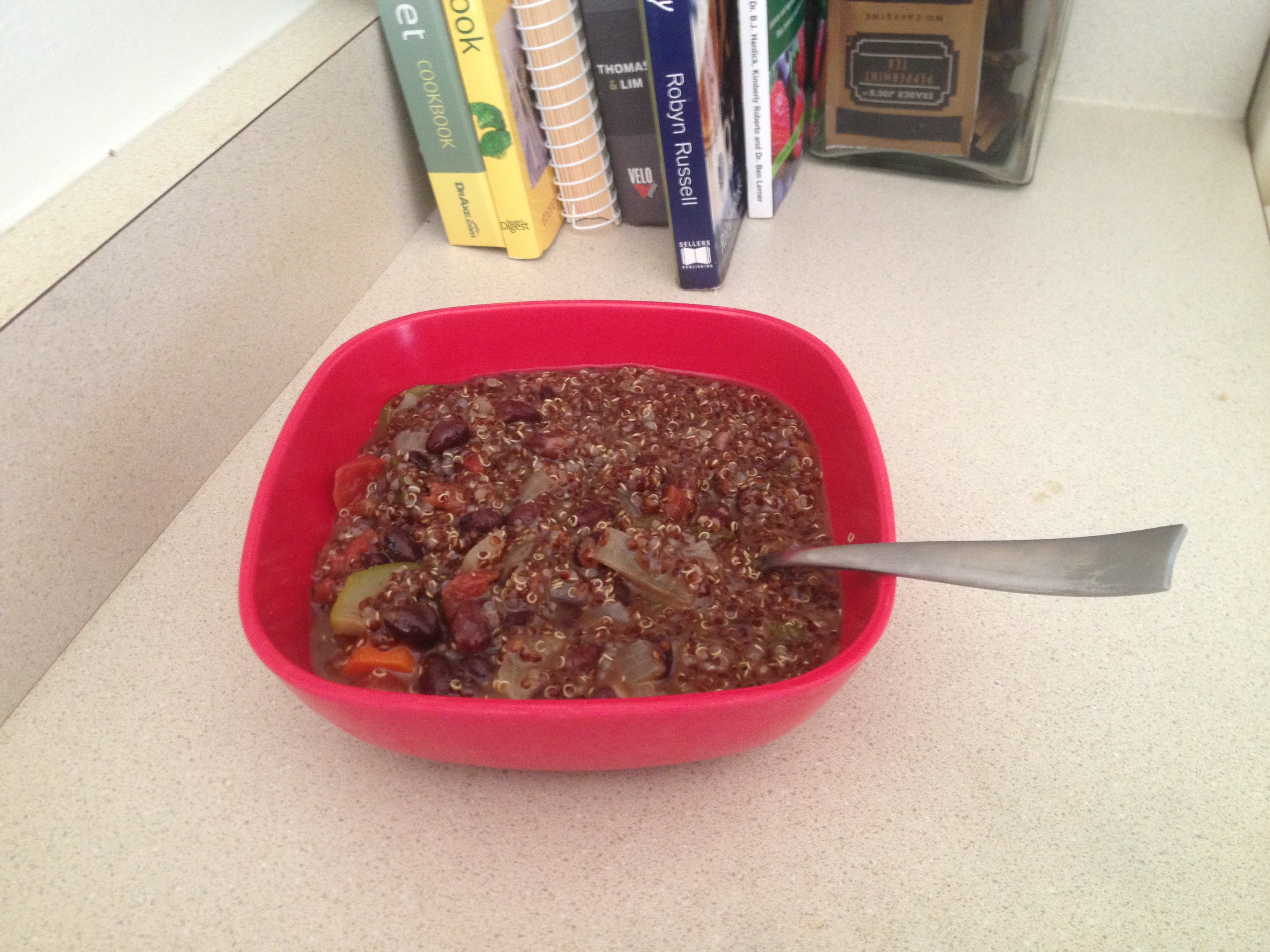
We had some friends over for dinner the week before last and it was just starting to get cold out. One of the guests was vegan which I actually love because it’s a challenge! So I made this delicious AND vegan Winter Soup in my slow cooker. Thanks to Oh She Glows for the base recipe!

Don’t be scared! It seems like a lot of ingredients but you just chop them all up and throw them in.

Quick tip: I doubled this recipe and it fed 7 of us at dinner and there were leftovers for another night. Always make enough for leftovers! It means less time cooking.

Winter Soup (serves 4-5)

Ingredients:

1 large carrot

1 cup red quinoa, uncooked

1 Tbsp olive oil

1 medium onion

1 medium zucchini

3 cloves garlic

1 vegetable bouillon cube (not low sodium)

6 cups water

15oz can diced tomatoes

15oz can black beans

1 tsp curry powder

1/2 tsp sea salt

pinch of cinnamon

pinch of nutmeg

pinch of black pepper

2 cups baby spinach

Instructions

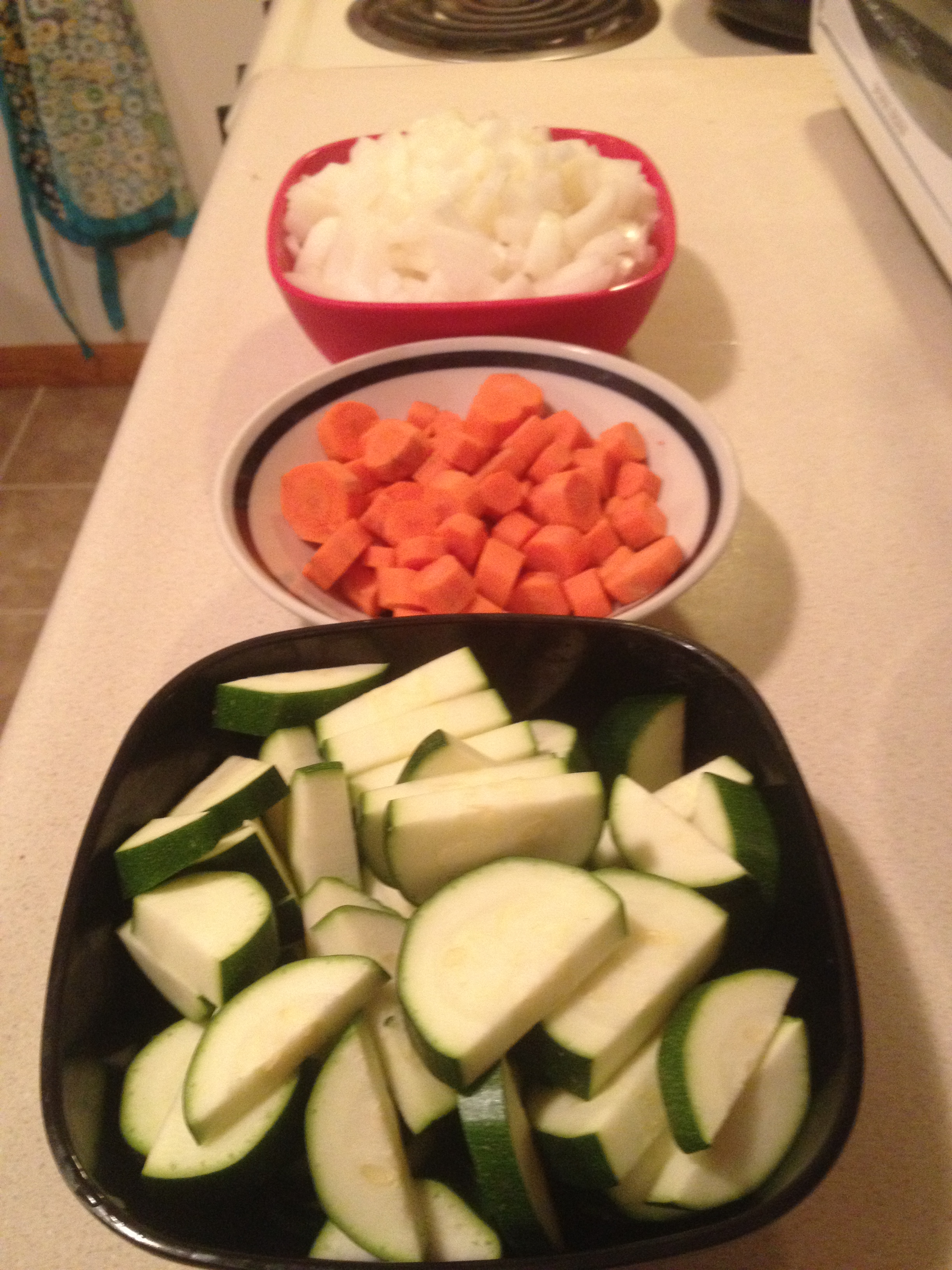
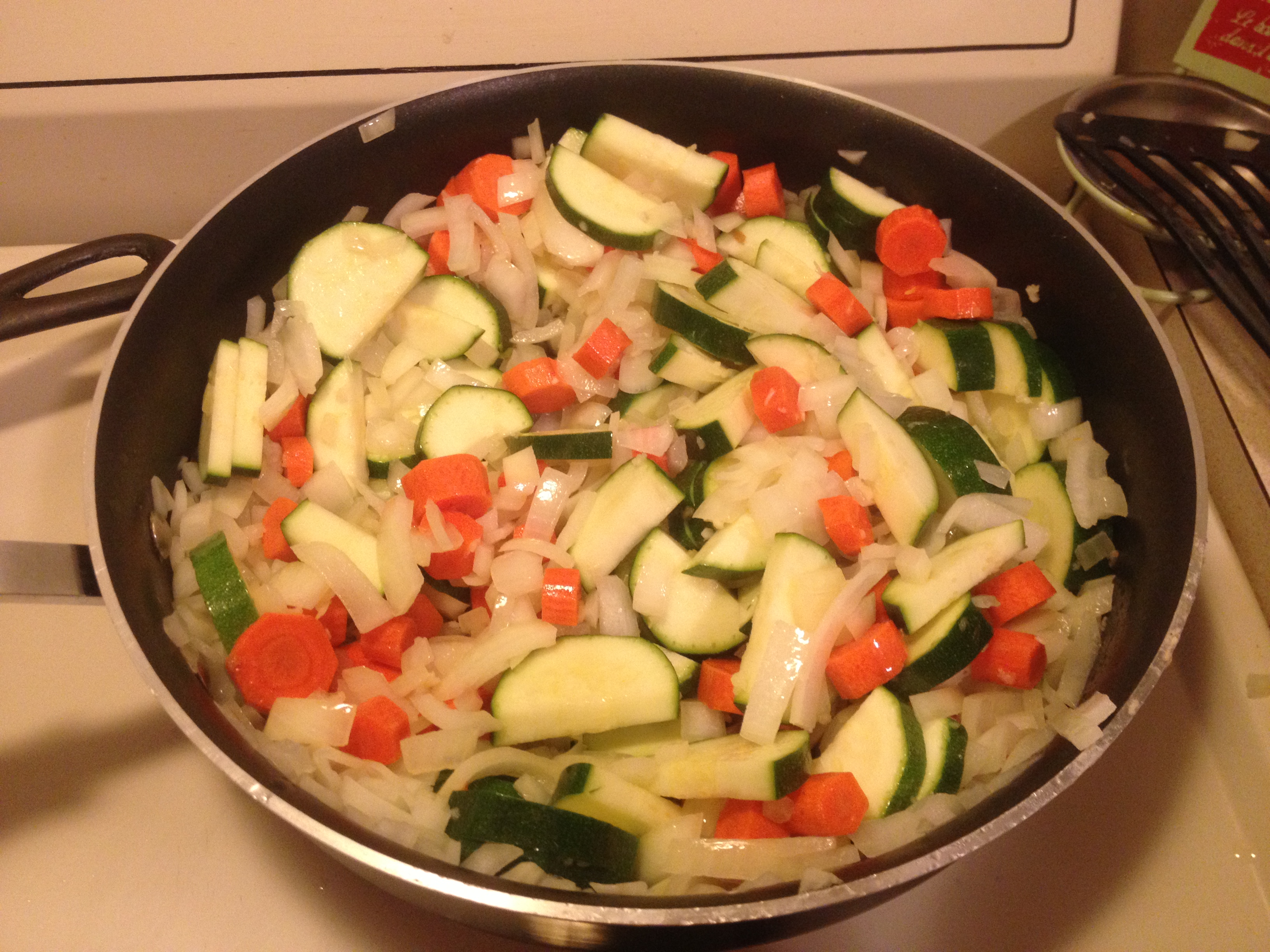
Chop carrot, onion, and zucchini. Heat the oil then sauté onions over low heat until translucent.

Add the carrot, zucchini and garlic and continue to sauté for 5-7 minutes.

While that’s cooking, in separate pot, boil 6 cups of water and add bouillon cube. Stir until dissolved. Combine sautéed veggie, bouillon water, and all other ingredients, except for spinach, in a large pot. Bring to boil and then simmer for 20 minutes.

Chop spinach and add to pot. Simmer for 15+ minutes. The longer the better.

Enjoy!

What’s your favorite Winter Recipe?


“Use This” Monday: High Heat Oil

Canola Oil was originally popularized in the US, in the form of rapeseed oil, to aid in the building of ships during World War 2. When the war ended, demand dropped, and the main producer of the oil (Canada) began to look for a form of rapeseed oil edible by humans. The new invention was lower in erucic acid (which is linked to heart disease). The Canadians came up with the very clever name Canola: Canadian oil, low acid. THERE IS NO SUCH THING AS A CANOLA PLANT.

At the time that Canada was going about inventing Canola Oil, American food manufacturers were looking for a cheap alternative to polyunsaturated oils like olive oil and healthy unsaturated fats like butter and coconut oil. Perfect! Canola Oil fit the bill and the Canadian producers began the expensive road to FDA approval and marketing to manufacturers.

The original Canola Oil was created through basic breeding and selection, however in 1995, there was a massive genetic modification in Canola Oil. The new oil was so genetically different from the original rapeseed oil that it could be patented. The modification succeeded in producing a bacterial DNA in the oil that makes it impervious to the toxic herbicide, RoundUp. This means that the patented oil is regularly doused in RoundUp to combat the growth of other plants. Yummy!

Canola oil is about a third polyunsaturated fat which is incredible unstable in high heat. This means that every time you cook with the oil, then eat whatever you cook (duh), they increase inflammation in your body (ouch) and contribute to heart disease, cancer, weight gain, and other degenerative diseases.

The way your body reacts to Canola Oil is the same with other industrial oils like CORN OIL and SOYBEAN OIL.

In other words:

EAT THIS

– organic and grass-fed is best. Yep, full fat butter is good for you! When shopping, the lesser ingredients the better.


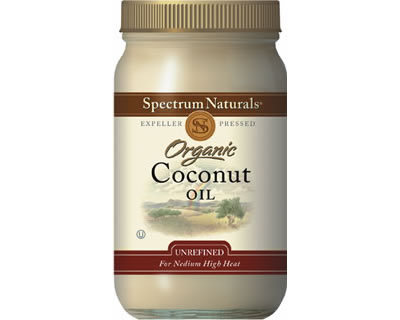
OR THIS

– organic and unrefined is best < MY FAVORITE. More on the amazingness of coconut oil later.

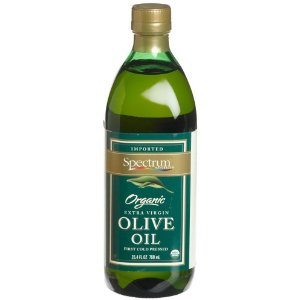
OR THIS

– organic and extra virgin is best (low heat only)

NOT THIS


^ BOOOO!!! HISSS!!!!

This is a very short version of an awesome article by the blogger, Small Footprint Family. See the article here.

So when are you going to make the switch?

HAPPY MONDAY! 🙂


Tasty Tuesday: Sweet Potato Pancakes

I am a big believer in spending some time on breakfast. One of my favorite things about having a day off or being on vacation is being able to spend time cooking and enjoying breakfast.

A yummy pile of food + a book/newspaper + a good cup of tea or glass of mulled cider + good company = AWESOME MORNING.

This past Sunday, Mike and I enjoyed a new (and now frequent) recipe. I hope to enjoy an equally lovely breakfast every day of this Thanksgiving holiday.

Sweet Potato Pancakes

Ingredients

1 large sweet potato, peeled and chopped small

3 eggs

1/2 cup almond butter (or whatever nut butter you have)

1/2 cup milk (unsweetened almond, coconut, whole milk, whatever…)

1 tsp baking soda

1 tsp baking powder

2 tsp cinnamon

1/2 tsp nutmeg

1/2 tsp sea salt

high heat cooking oil (coconut, grape seed, or sesame oil)

Instructions

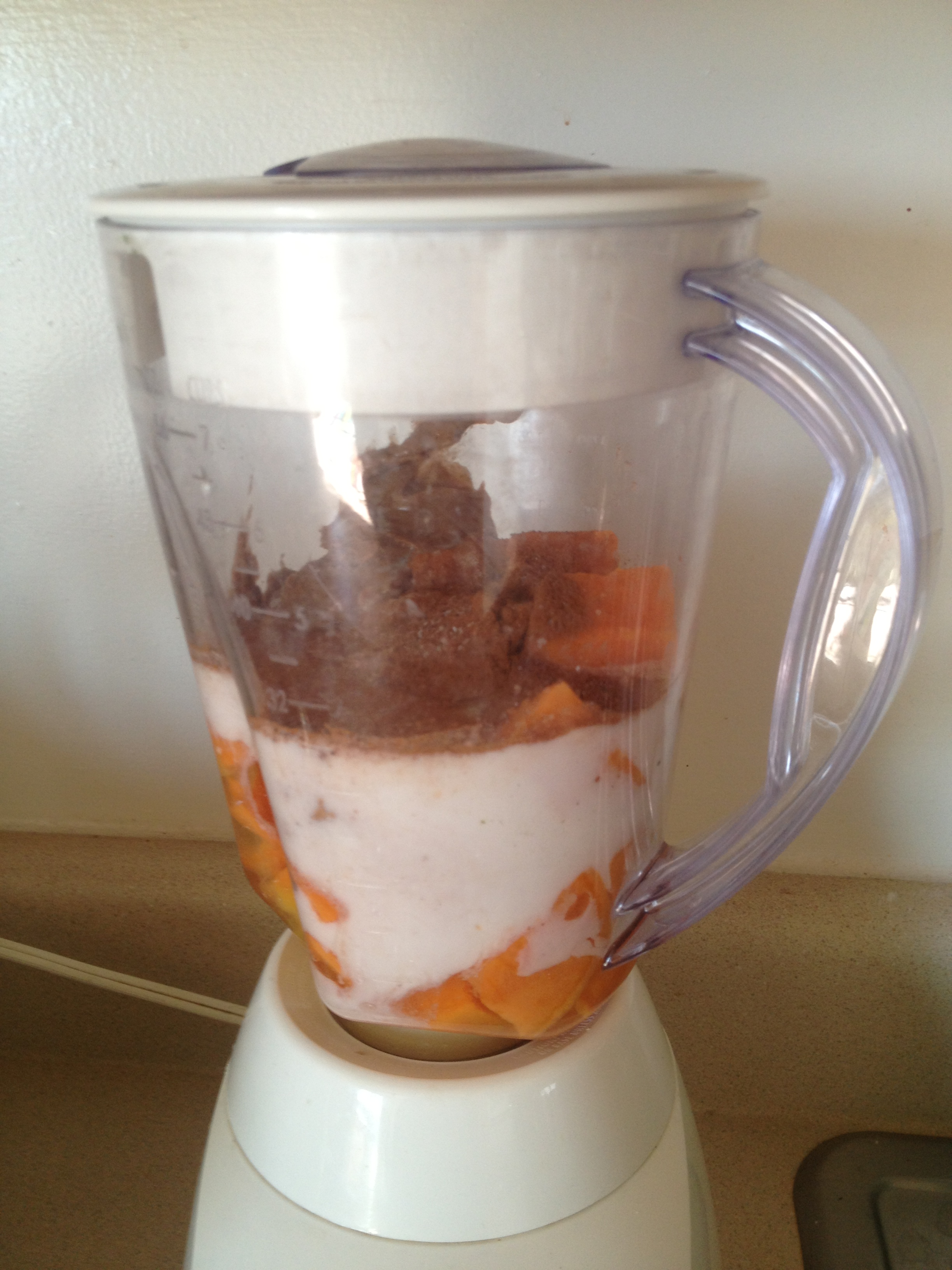
Boil sweet potatoes until soft when stabbed with a fork. Start heating pan on Medium during this last step. Drain then add sweet potatoes and all other ingredients to blender. Blend until smooth.

After preheating pan for 5-ish minutes, pour two small pancakes at a time. Flip when the centers start bubbling. Cook on other side for 3-5 minutes.

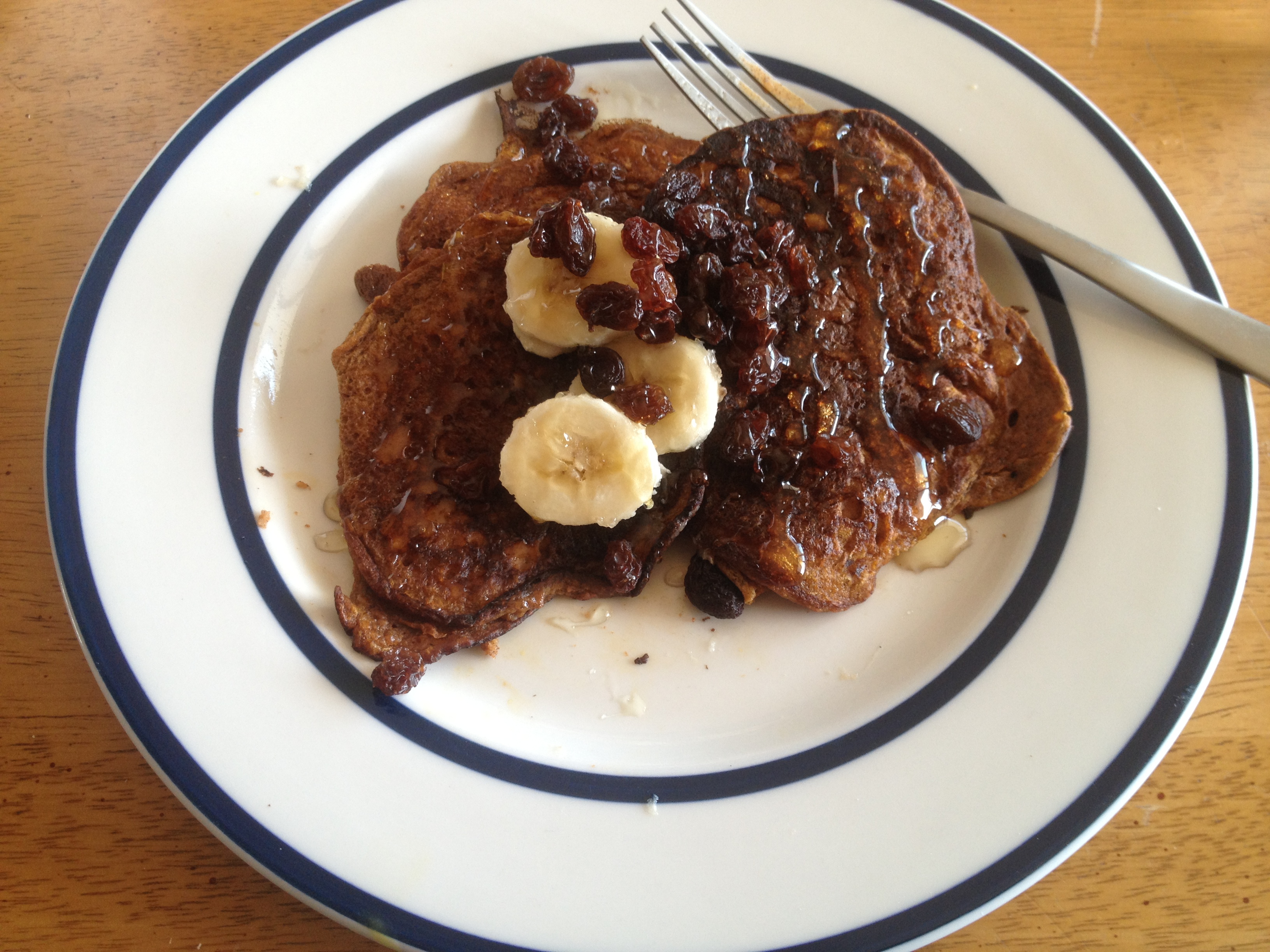
Stack a pile, add a topping (bananas, sautéed apples, raisins, honey, maple syrup, etc.) and ENJOY!

*this recipe was adapted from Sammie Kennedy.

By the way, thanks to everyone that commented on my post yesterday. Recognizing the amazing qualities of the people around you starts to make you more amazing too! If you want to add to the comments, there’s still time! I’ll be reposting them on all Friday.

What are some of your favorite breakfast traditions?

Tasty Tuesday: Steak and Potatoes

I don’t really love steak. I’m not a big-slab-of-meat kind of person. But when I asked Mike what his favorite meal was and he replied, “steak and potatoes,” it became the dish that I cooked for him for our “date” this past Saturday. I entered into the situation with a little bit of trepidation because I’ve never cooked steak before but I’d say it turned out pretty well.

I knew I would have very little time on Saturday so I prepped everything the day before. I put the grass-fed steak in this awesome Zesty Dijon Marinade (I found the recipe here):

1 cup balsamic vinegar

1/2 cup Dijon mustard (we didn’t have any so I used honey mustard)

1/4 cup olive oil

1/2 tsp ground pepper

1/4 tsp salt

2 garlic cloves

Mix it all together, add the meat, and refrigerate concoction for 3 to 24 hours.

Then I cut up all the potatoes and stored them in a plastic bag for the night.

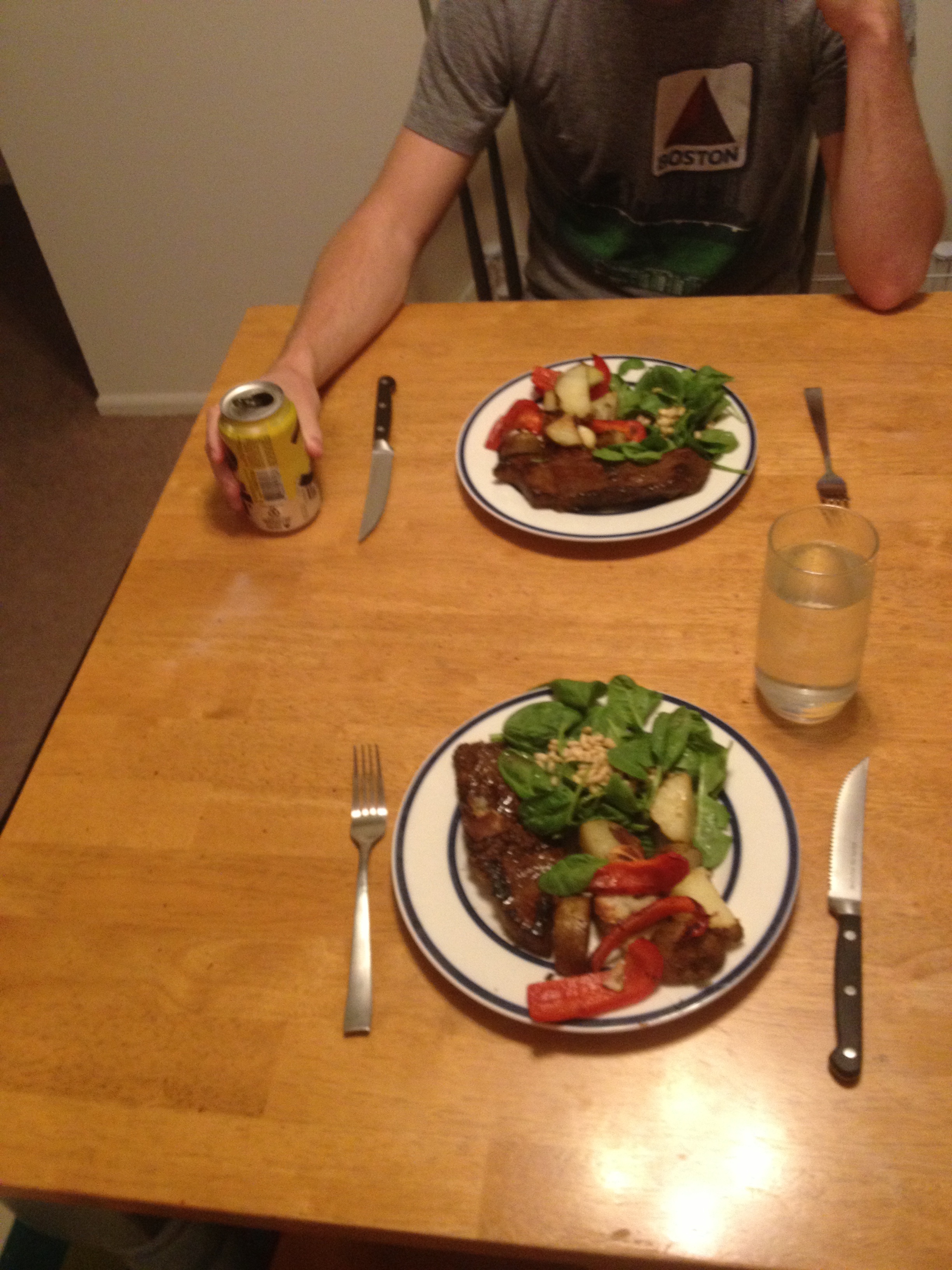
When Saturday came, I took him pottery painting (haha. more on that later) and then came home and popped the potatoes in the oven with a little salt and pepper (I added some garlic cloves and chopped red pepper at the last minute)

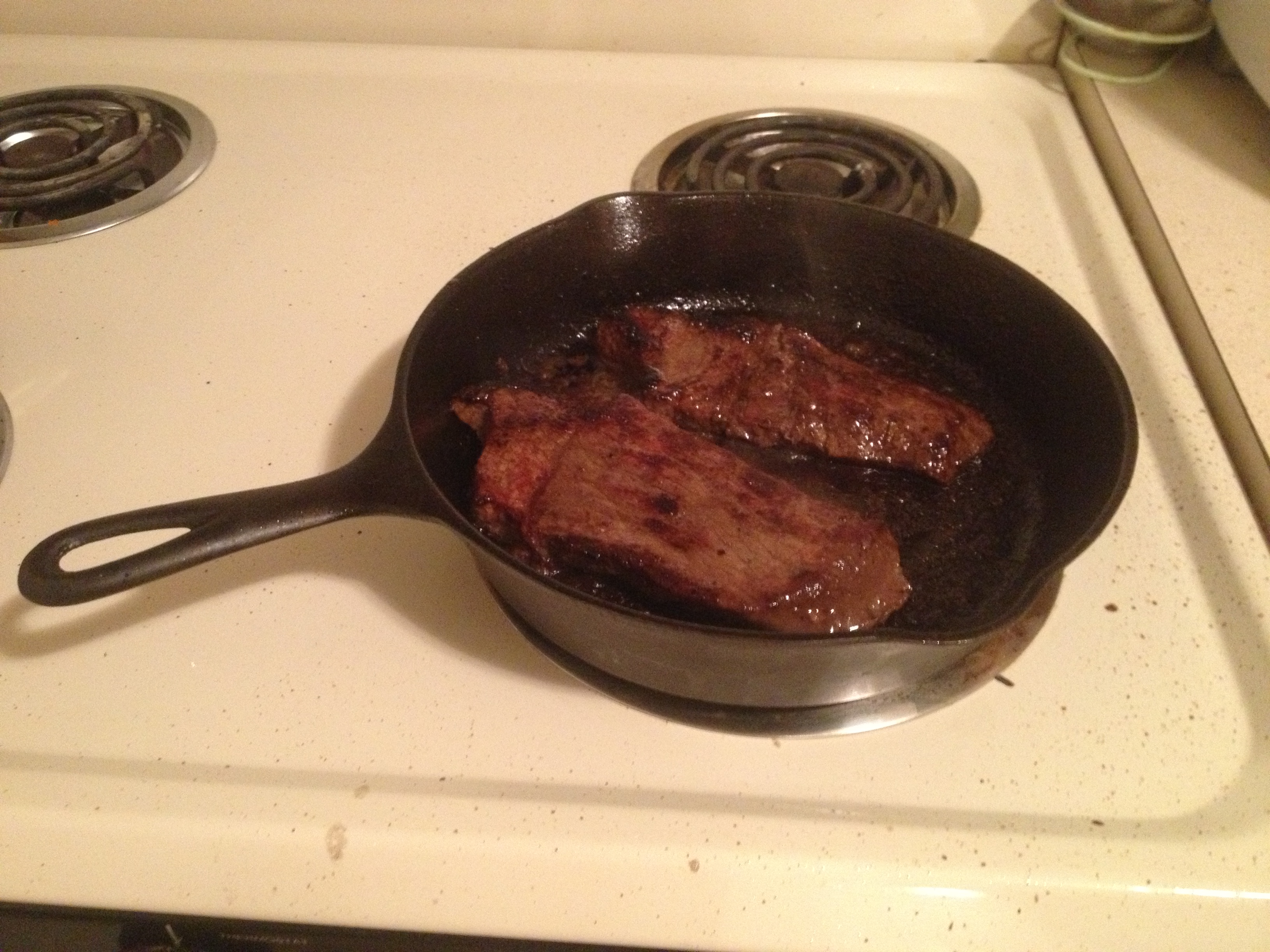
and then threw the steak on my new iron skillet (5 minutes for each side of a 1 inch steak).

And voila! It was pretty delicious. A little overcooked but I’ll get better at the timing thing. Also, it’s important to mention that I completely disregarded my stomach’s dislike of red meat with this recipe. I haven’t been experiencing any negative symptoms from the grass-fed beef so I thought I’d be fine. I think it was the sheer quantity of beef that did me in but my stomach was a little grumbly and stubborn for about 24 hours after this meal. And of course, Mike was fine.

I hope you’re all having wonderful days. It’s not Monday anymore. YAY!

🙂

Thirsty Thursday: Drink More Water.

You don’t drink enough water. Yes, I am accusing you. But have you ever questioned yourself? Most people aim for the 8 x 8 ounces glasses of water a day. THAT IS NOT ENOUGH. It’s enough to stave off dehydration and keep your body functioning but water can do so much more!

– Drinking water flushes your body of excess toxins, encourages digestion, and keeps you awake and energized.

– Sometimes people think they’re hungry when they’re actually just thirsty; so before you reach for the cookies, drink a tall glass of water.

– When you’re sick, water helps your system flush the bacteria and viruses from your body.

– If you’re trying to lose weight, water will help rinse out your digestive tract and other overloaded organs.

– You can drink it with tea, with mint leaves, with lemon or even cucumber!

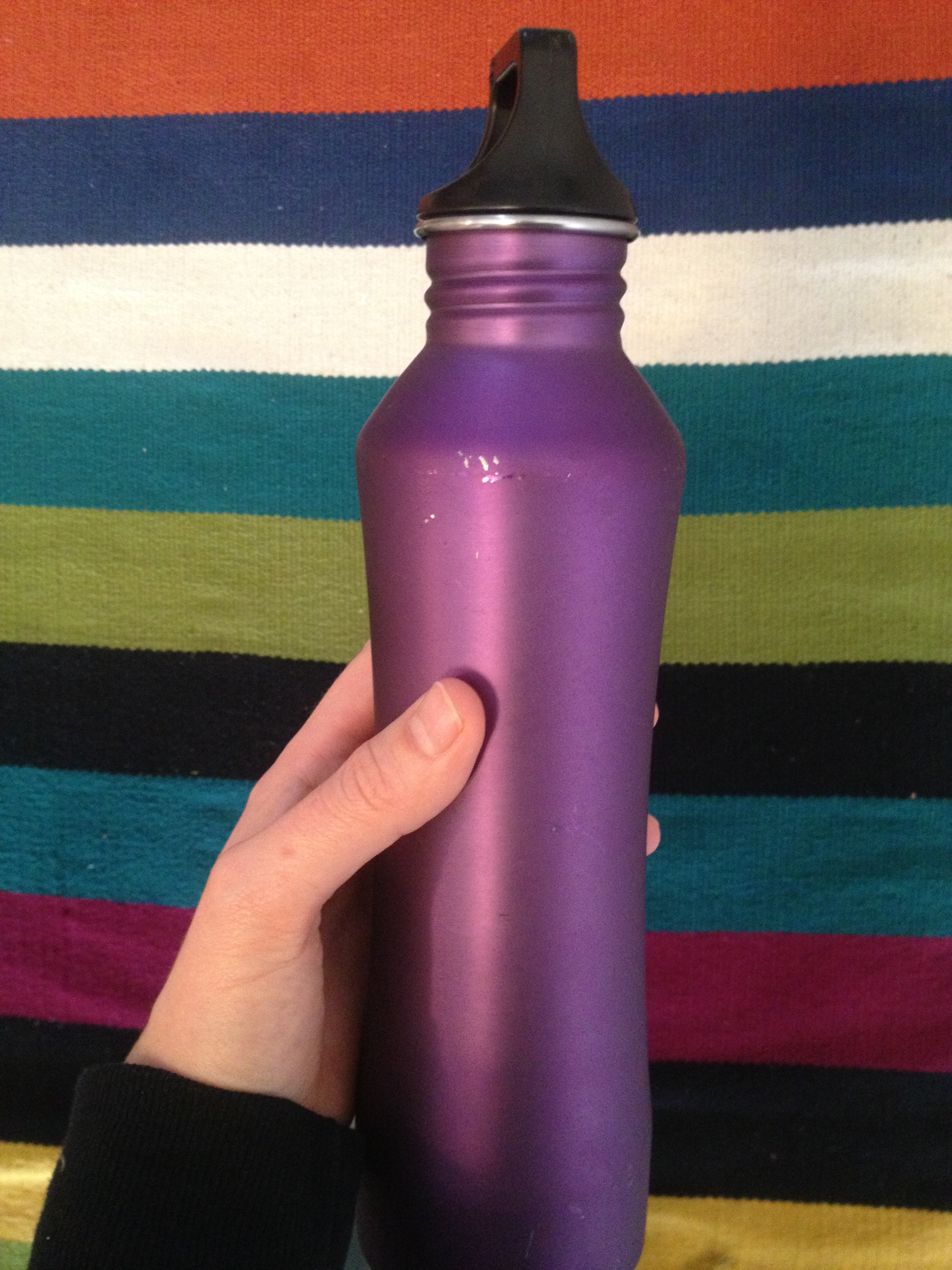
– Carry a reusable bottle (BPA free) everywhere with you so that it becomes habit to drink whenever you have a free 30 seconds.

If you’re still questioning whether you drink enough, check out this awesome calculator I found:

http://nutrition.about.com/library/blwatercalculator.htm *

*At the very end the site mentions that soft drinks are a source of water. They are, but the amount of bad stuff they put in your body overrides the amount of good.

Disclaimer: The situation is different for infants and people with kidney or adrenal problems. If you are one of those people, please consult your doctor before taking my advice. Also, you CAN drink too much water. It’s very tough but doable so please don’t do it. Also, DO NOT drink your entire daily water intake at one time.

Thursday Recipe: Spaghetti Squash Bolognese

Yesterday I forgot to say Happy Halloween, so….HAPPY HALLOWEEN! I hope you all got lots of awesomely dressed trick-or-treaters. We got one (Darth Vader) and he looked very confused when we gave him dried fruit leathers. Haha.

Also, today I am on my way to my first ever business trip! Me and the three coworkers are headed down to Orlando, FL for 4 days for a conference on health, wellness, and leadership. I’m actually kind of excited 🙂

On a totally different note, here’s the post for today:

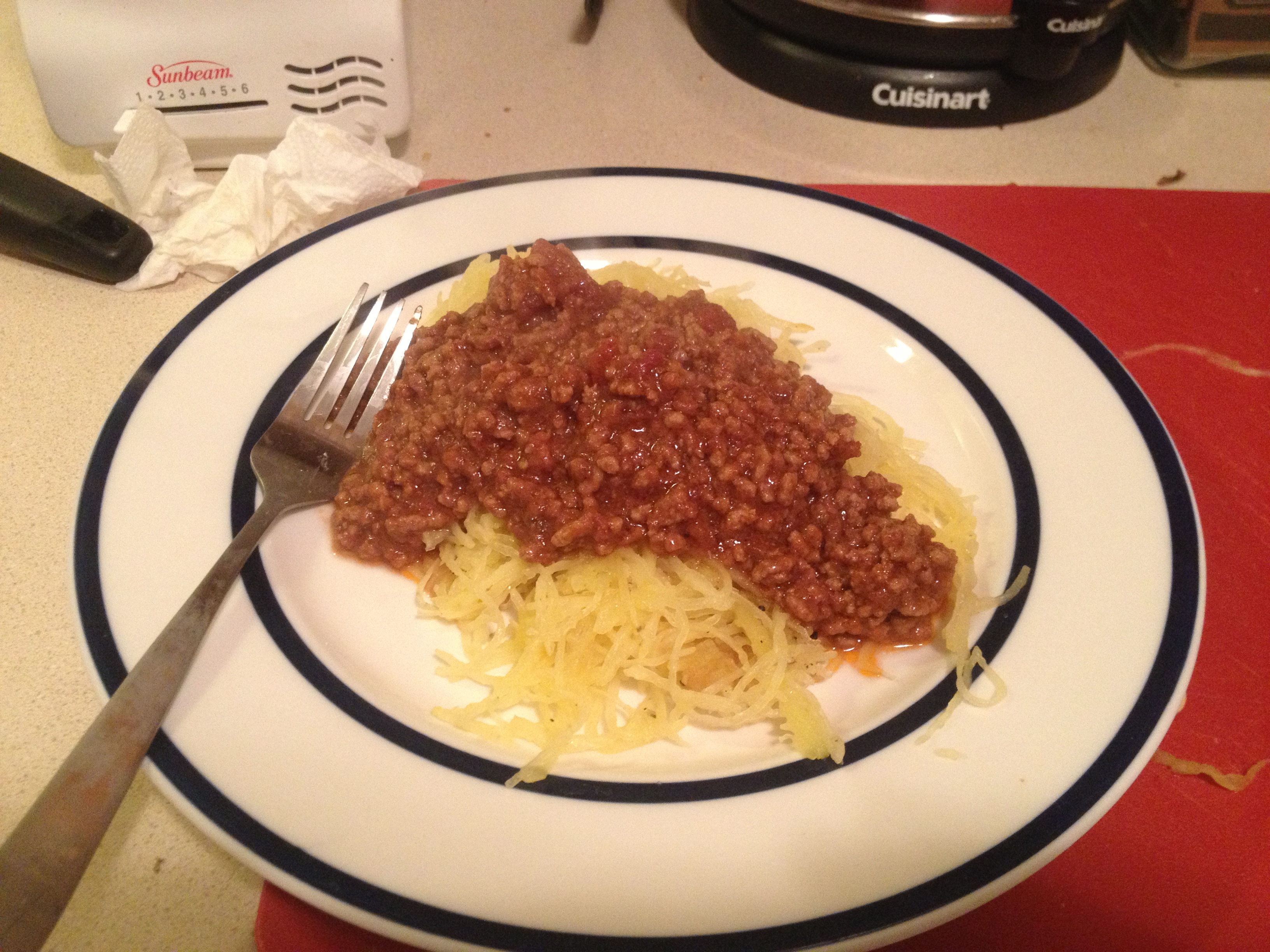
This recipe is grain-free, sugar-free, and dairy-free. Sounds disgusting right? WRONG. I had heard rumor of the awesomeness of Spaghetti Squash but this was my first experiment with the pretty yellow gourd. I decided, since it’s already in the name, to make Spaghetti and sub the noodles for squash.

Mike and I were a little wary but jeez it’s good! A little time-consuming because the squash has to be cooked for a while but other than that it’s super easy.

Ingredients (makes 3 servings):

1 spaghetti squash

1 can crushed tomatoes/tomato sauce

1 lb ground beef (grass-fed) or organic ground turkey/chicken

2 cloves garlic

2 Tbsp butter

salt and pepper

Instructions:

Cut the squash in half and cook at 450°F (230°C)  for 45 minutes. While it’s cooking, simmer the tomato sauce, beef/poultry, and garlic.

When the squash is slightly brown, take it out and go at it with a fork! It’s easier than it looks, I promise.

Mix the noodled squash with the butter, salt, and pepper.

Top with the cooked sauce and enjoy!

It’s a great evening meal because it doesn’t spike your insulin levels like normal pasta does. Keep those sugar and carb levels down before bed!

Smile, it’s almost Friday 🙂